
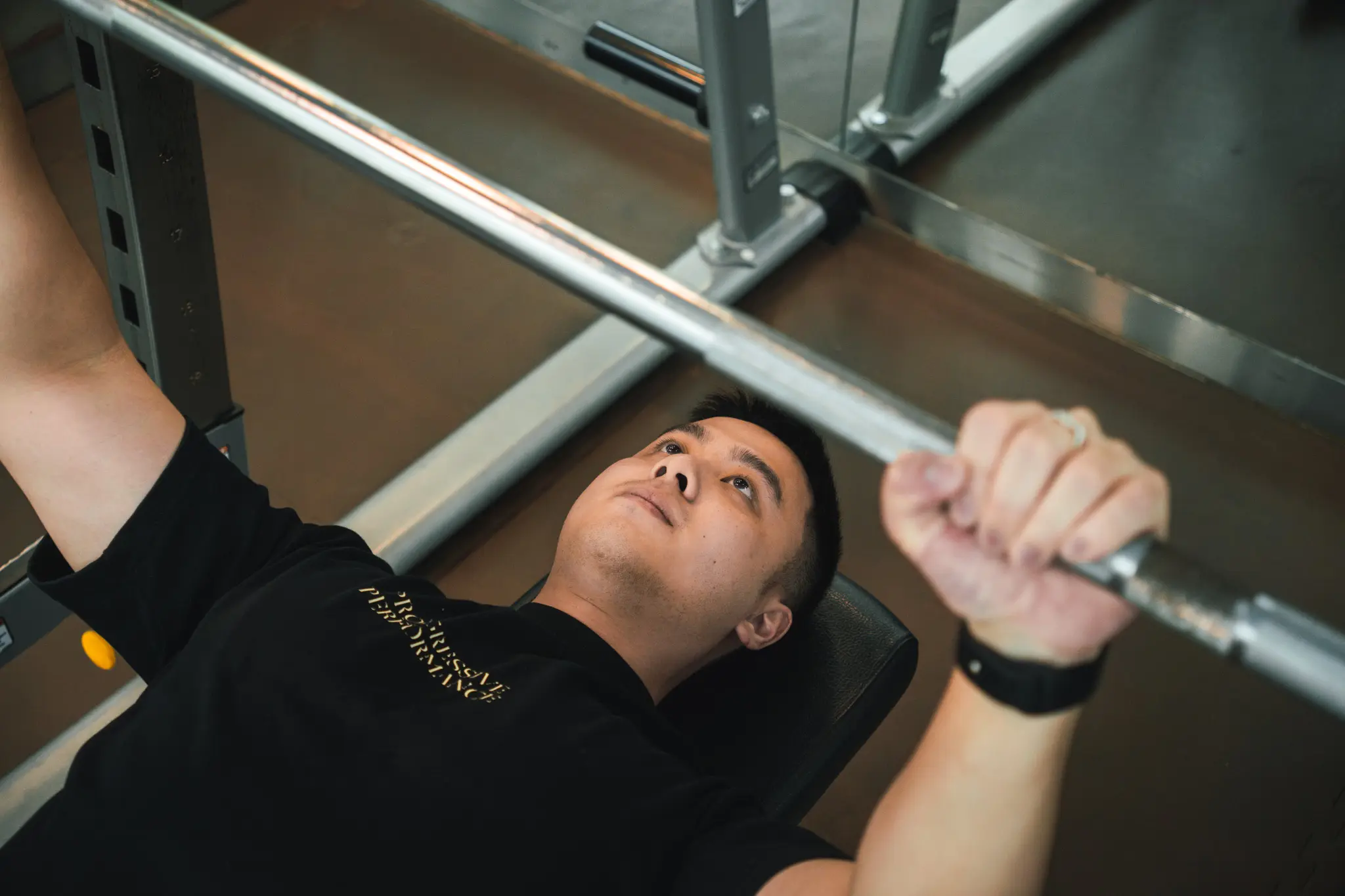
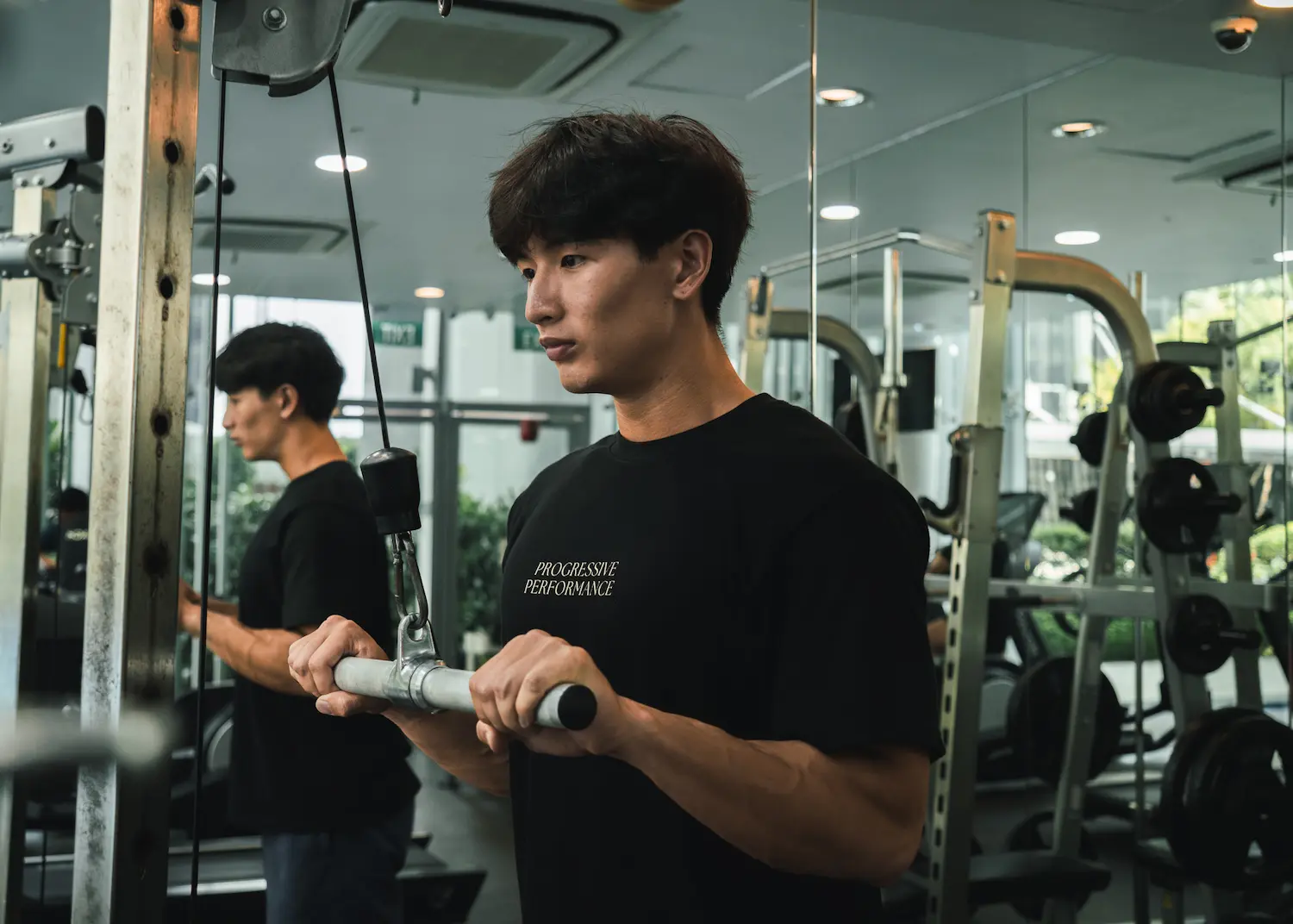
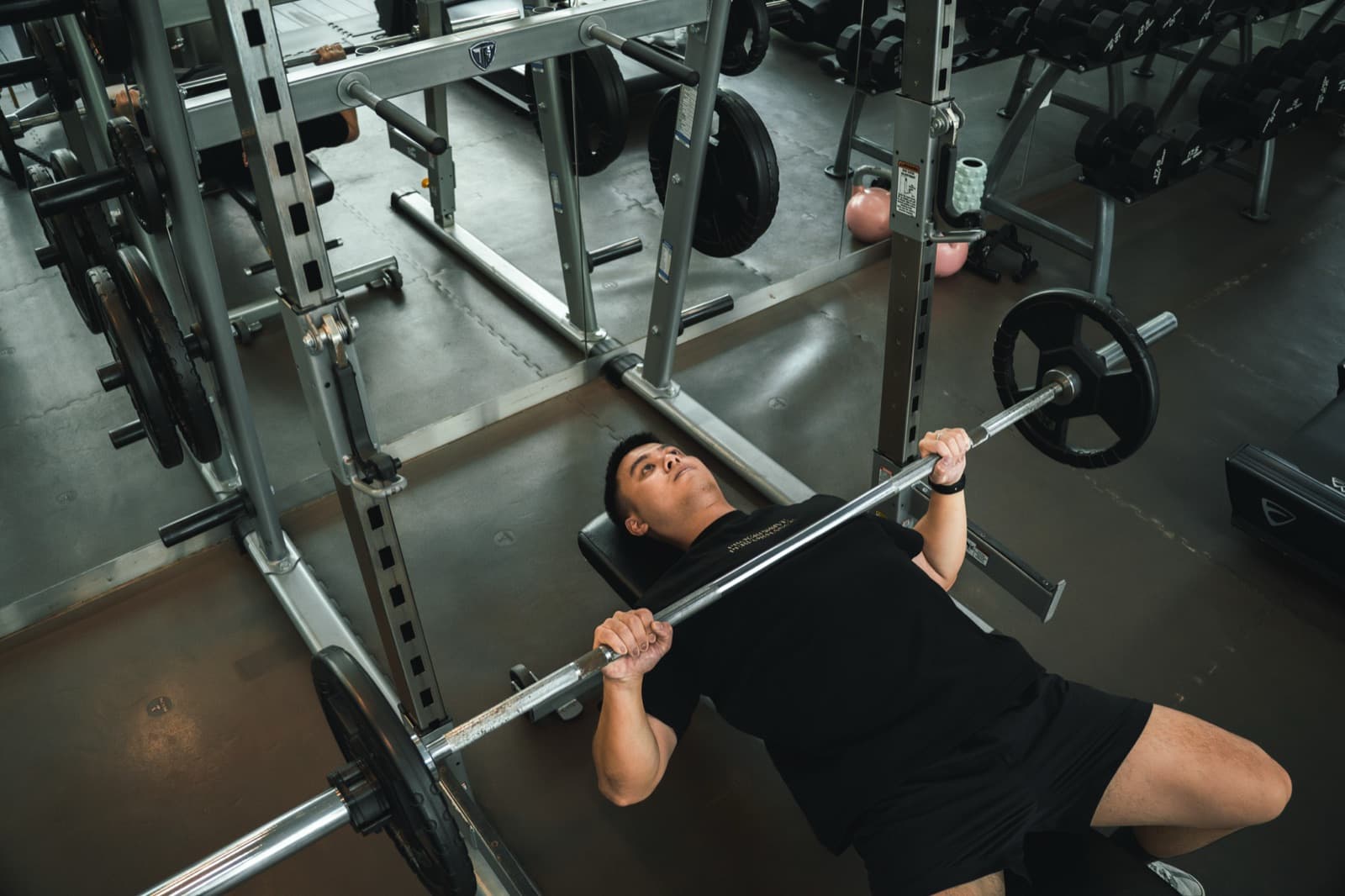
If strength is your priority and cardio shares the same appointment, do your planned strength work first, then the cardio you can complete comfortably. Keep a brief, easy warm-up before lifting. A hard run and a few minutes of gentle movement place very different demands on the session.
For a Singapore professional fitting training between work and dinner, the useful decision is how to protect the session’s main purpose. Start with your goal, account for the time you actually have, and check how the second activity affects the work you planned.
Can you build strength while doing cardio?
A 2022 meta-analysis by Schumann and colleagues included 43 studies comparing combined aerobic and strength training with the same strength programme performed alone. On average, adding aerobic exercise did not significantly reduce improvements in maximal strength or whole-muscle size. Gains in explosive strength were more affected, particularly when both activities shared one session.
That supports making room for both. It does not mean every amount, intensity and arrangement of cardio will suit every person. Explosive strength, such as producing force quickly in a jump, also deserves separate consideration from lifting a heavier weight.
Choose which activity needs your freshest effort
Use the purpose of the appointment to choose the order. These are practical planning choices, rather than a promise that one sequence produces better results for everyone.
| Main purpose today | Sensible starting arrangement |
|---|---|
| Practise and progress your strength exercises | Warm up, complete strength work, then add manageable cardio |
| Complete an important running or cycling session | Protect that session; place demanding strength work elsewhere if needed |
| Train explosive power for sport | Plan the combination and recovery with your coach |
In a 2020 study by Lee and colleagues, 29 healthy, moderately active men completed nine weeks of training. The combined-training groups performed high-intensity cycling intervals about three hours before or after resistance training. Both orders improved aerobic fitness, and strength and lean-mass changes were broadly comparable to resistance training alone. Some jump-performance outcomes differed.
Those participants and sessions were specific. The findings do not establish a universal best order for women, older adults or every recreational training plan. They do show why the answer should reflect the outcome you are trying to improve.
Keep your warm-up in the plan
Strength first still includes preparation. Our warm-up guide explains how comfortable movement and lighter practice sets can prepare you for your first lift.
If the cardio before lifting leaves you struggling to complete the agreed repetitions or maintain your usual technique, record that. You have useful evidence for changing its duration, intensity or position. Keep the comparison fair by noting your load, repetitions, rest and effort in a training log.
Give a combined session a realistic time budget
Suppose you have 60 minutes before leaving for dinner. An illustrative strength-focused appointment might allocate 10 minutes to preparation, 35 to the planned strength work, 10 to manageable cardio and five to changing and leaving. The arithmetic is 10 + 35 + 10 + 5 = 60 minutes.
These timings illustrate planning, not a programme prescription or a description of PP’s appointment length. Your exercises, rest periods, fitness and preparation needs determine whether they fit. If the strength work needs 45 minutes, the same plan becomes 70 minutes. Move the cardio to another slot or agree a different session with your coach, rather than rushing the remaining sets.
Also count the week honestly. Two ten-minute cardio blocks provide 20 minutes. Singapore’s Health Promotion Board guidance recommends 150 to 300 minutes of moderate-intensity aerobic activity weekly for adults, alongside strengthening activity on at least two days. Those two short blocks alone fall well below the aerobic recommendation, even if they reach moderate intensity. Include the rest of your week when reviewing that total. Our walking and strength guide explains how everyday movement fits.
Separate sessions when the combination stops working
Consider a separate day or a gap between sessions when the second activity repeatedly suffers, the combined appointment exceeds the time you can protect, or explosive power is an important goal.
Schumann’s review found the interference with explosive-strength gains was more pronounced in same-session training; that pattern was absent in the subgroup with at least three hours between activities. This is a finding from groups of studies. Three hours is not a guaranteed recovery threshold for your own training.
Keep the next adjustment easy to evaluate. For example, move one demanding cardio session away from your strength appointment while keeping the strength plan stable. Review completion, comparable exercise performance and how ready you feel for the next session. Agree the review point with your coach.
Bring your whole week to the discussion
Progressive Performance’s one-to-one personal training includes personalised programming and progress reviews. Bring your current lifting, cardio and available training slots. Discuss a training week that fits your schedule. Give each session a clear purpose and a realistic place in your diary.