
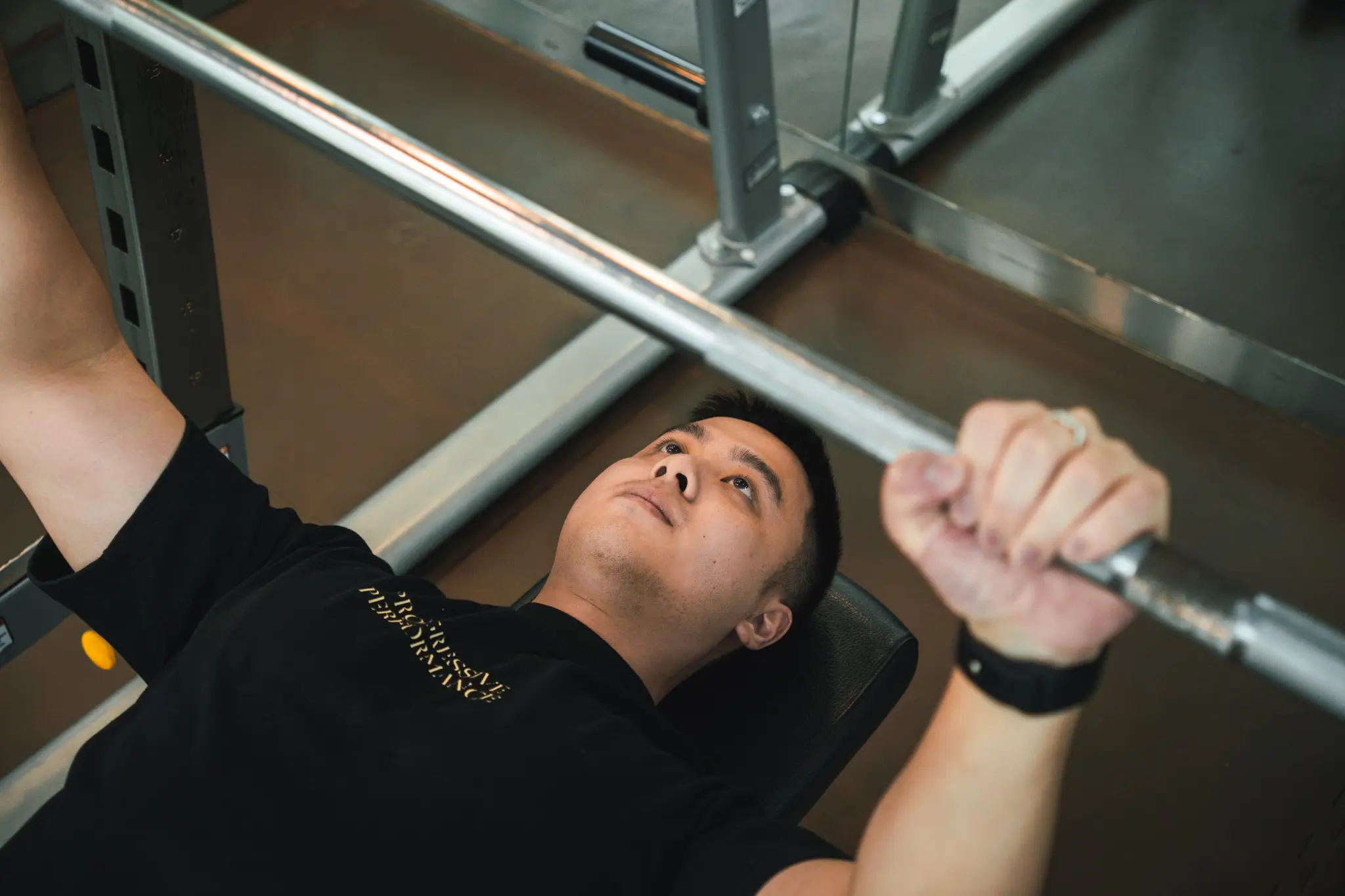

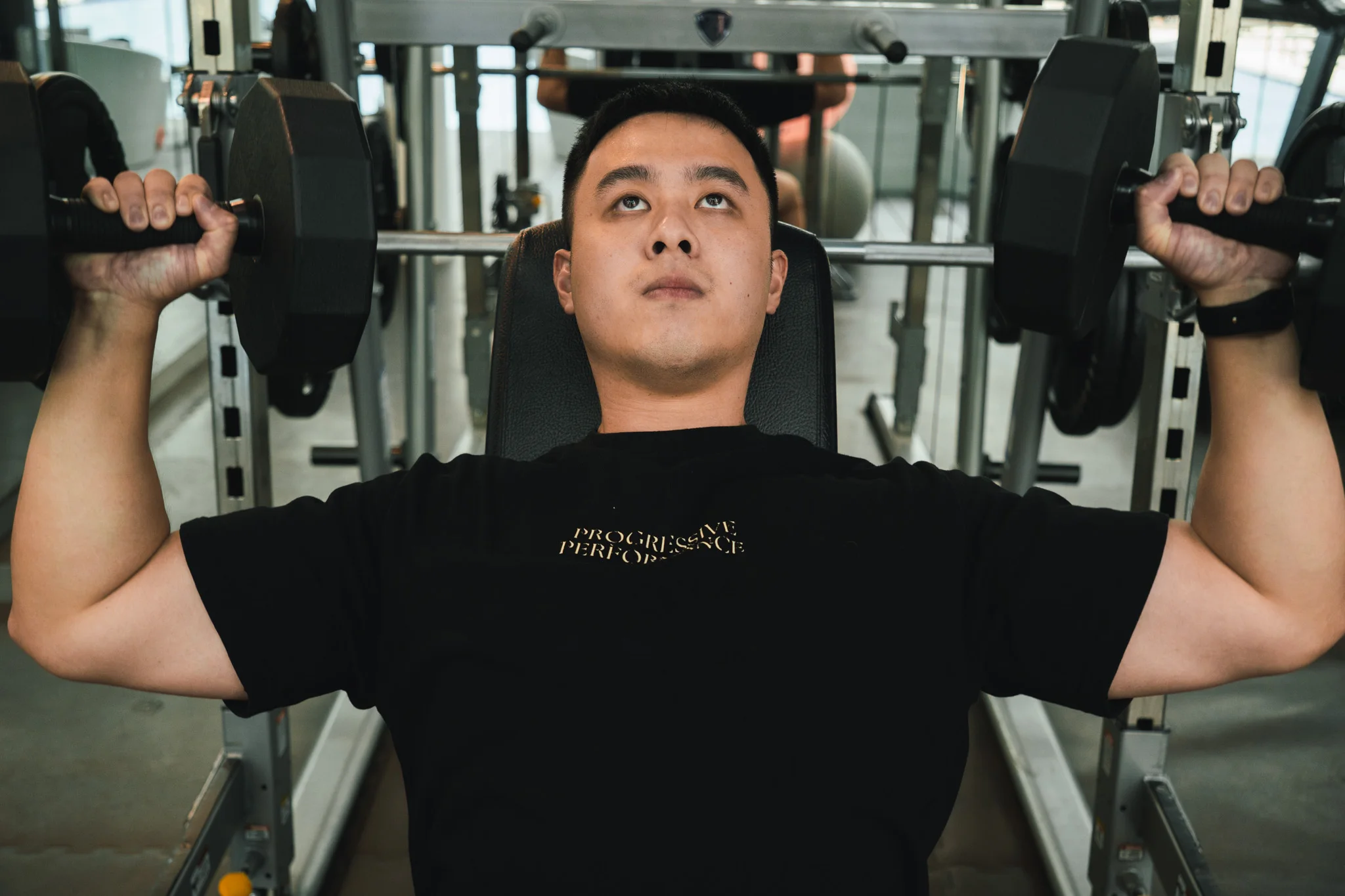
Two people can use the same bathroom scale for months and need completely different decisions from it. One may have a clear reason to reduce total body mass. The other may care more about strength, how clothing fits and whether their training is becoming more capable, even if the scale changes little.
That is the practical distinction behind body recomposition vs weight loss in Singapore. The terms are related, but they do not describe the same goal. Treating them as interchangeable can lead people to judge a useful plan by the wrong number.
The better starting point is not to choose the more impressive-sounding phrase. It is to decide what you want to change, what evidence would be meaningful, and what level of support you need to make sensible decisions over time.
Quick answer: what is the difference between body recomposition and weight loss?
Weight loss means a reduction in total body mass. Body recomposition refers to a change in the relative amounts of body fat and lean tissue.
A scale can show that total mass changed. It cannot, by itself, establish which tissue changed or explain short-term movement caused by hydration, food in the digestive system and other normal variables. Body-composition estimates also have limitations, so one reading should not be treated as proof.
Neither goal is automatically better. The useful choice depends on your reason for training, starting point, preferences, relevant health considerations and the evidence you are prepared to assess consistently. Readers already considering a coached service can use the body recomposition Singapore page for the separate commercial service context; this article stays focused on the decision between goals.
What weight loss measures, and what the scale does not explain
Body weight is a combined measure. It includes fat mass, lean tissue, bone, water and the changing contents of the digestive system. When the number falls, total mass has fallen. That is the claim the scale can support.
What it cannot tell you on its own is why the change happened. A lower reading does not automatically establish fat loss. A higher reading does not automatically establish fat gain. A flat week does not prove that nothing useful is happening.
This is why context matters. Comparing a single morning with the previous morning can magnify noise. A more disciplined review looks at readings collected under reasonably consistent conditions, considers a trend rather than one point, and pairs the scale with other evidence relevant to the goal.
There are situations in which total body mass is a legitimate focus. A qualified healthcare professional may recommend it in a broader care plan, or an individual may prefer a scale-led target after an informed discussion. The point is not to dismiss weight loss. It is to be precise about what the number measures and avoid giving it more meaning than it has.
Rapid or unexplained weight change, eating-disorder concerns, pregnancy or postpartum needs, medication effects, and medical conditions require appropriate professional guidance. A fitness article cannot determine whether a weight target is suitable for a particular person.
What body recomposition means without the transformation promises
Body recomposition describes a shift in the balance between body fat and lean tissue. In practice, people often use the term when they want to reduce fat mass, build or preserve muscle, or assess progress beyond total scale weight.
That definition is useful. It is not a guarantee that fat loss and muscle gain will occur at the same time, at a particular rate or in every individual. Training history, current capacity, nutrition, recovery, health context and adherence can all influence what happens. The honest question is not, “How quickly can I transform?” It is, “What process and evidence make sense for my starting point?”
Body recomposition is also not a visual diagnosis. A photograph, clothing size or casual label cannot establish a person's body-fat level, lean mass, metabolic health or medical risk. Those shortcuts reduce a nuanced decision to appearance and can undermine client dignity.
For readers over 40, the training decision may include experience, recovery, confidence and schedule rather than age alone. Our separate guide to strength training over 40 in Singapore covers that context without making this comparison age-specific.
Body recomposition or weight loss: decide what would make the goal useful
The first question is not “Which result is more popular?” It is “What problem are you trying to solve?”
A scale-weight goal may be useful when total mass is genuinely the chosen outcome and the person understands what the measure can and cannot show. A body-composition goal may be more useful when the reader cares about tissue change, strength and physical capability, and does not want every decision dictated by the scale.
Some people need to refine the question before choosing either. For example:
- If the real concern is feeling unprepared in the gym, coaching and skill development may matter more than naming an outcome.
- If the concern is maintaining a routine through demanding work weeks, schedule design may be the immediate priority.
- If the concern is pain, injury, exercise suitability or a health condition, qualified healthcare guidance may need to come first.
- If the concern is distress around food, weight or body image, a registered dietitian or other appropriately qualified professional may be the right starting point.
A useful goal should guide action without claiming certainty. It should tell you which decisions need attention now and which evidence will be reviewed later.
How strength training can fit a body-composition plan
Strength training gives a programme something concrete to develop: exercise skill, tolerance to training, and the ability to perform movements with appropriate technique and progressively managed challenge. It also creates performance information that a scale cannot provide.
That does not mean one routine, frequency or set-and-repetition scheme is right for everyone. The starting point depends on training history, current ability, preferences, schedule, recovery and any relevant limitations. Progression is not simply adding more weight every session. It can involve better control, greater confidence, an appropriate change in range, more consistent execution or a different exercise decision.
For someone comparing personal training in Singapore, ask how the coach would establish a starting point and explain the programme. A credible answer should account for the person in front of them rather than treating “recomposition” as a standard template.
Strength performance can be one useful signal, but it is not a tissue measurement. Improvements may reflect learning, technique and confidence as well as physical adaptation. That makes the information valuable, provided it is interpreted carefully.

The role and limits of nutrition support
Nutrition habits can influence body mass, training capacity and recovery. Yet general advice should not be mistaken for an individual prescription.
At an educational level, it can be useful to discuss meal consistency, protein-containing foods, fruit and vegetables, hydration, planning for meals outside the home and how demanding weeks affect food choices. In Singapore, where workdays, travel and social meals can vary, the most elegant plan on paper may be less useful than a small number of habits a person can actually maintain.
The scope of support matters. A personal trainer may discuss general habits within their competence, but individualized dietetics, eating-disorder care, clinical nutrition and treatment of a medical condition belong with appropriately qualified professionals. Ask what the coaching service includes and where referrals would be made.
The description of one-to-one personal training provides the service context, but it should not be read as evidence of a specific nutrition plan or guaranteed result. Confirm the current scope directly before making a decision.
How to assess progress without overreacting to one number
No measurement is perfect. The aim is not to build the largest possible dashboard. It is to select a small set of signals that match the goal and can be interpreted in context.
Depending on the person and the purpose, a review might consider:
- a body-weight trend collected under reasonably consistent conditions;
- selected circumference measurements taken in a repeatable way;
- strength or training-performance records;
- how clothing fits, treated as subjective context rather than diagnosis;
- session consistency and whether the plan survives ordinary weeks;
- exercise technique, confidence and tolerance;
- body-composition estimates, with the method and its limitations recorded.
These signals do not all need to move together. Nor should a coach use a favourable measure to dismiss an unfavourable one. The review should ask what is likely signal, what may be measurement noise, and whether the plan still serves the stated goal.
Measurement frequency should also have a reason. More data is not automatically better if it encourages daily verdicts on a process that needs a longer view. Agree in advance what will be measured, under what conditions, how often it will be reviewed and what kind of finding would justify a programme discussion.
What to ask before choosing body-composition coaching in Singapore
The phrase “body recomposition coaching” tells you the topic. It does not tell you the quality or scope of the service.
Use the first conversation to clarify the working method:
- How will you establish my starting point? Ask what information is needed and what each measure can actually support.
- How will you separate a weight trend from a body-composition conclusion? Look for an explanation of limitations, not a promise of precision.
- How will training decisions be made and reviewed? The answer should connect exercises and progression to your experience and constraints.
- What nutrition support is included? Clarify what is general education, what is individualized and when a registered dietitian or healthcare professional would be involved.
- What happens when work, travel or recovery disrupts the plan? You are assessing the decision process, not asking for perfect weeks.
- Which outcomes are not guaranteed? A responsible provider should be comfortable discussing uncertainty.
- What does the package include, and how is progress reviewed? Compare scope and accountability before comparing price.
The current personal trainer cost in Singapore is more meaningful when read alongside coaching scope, review process and package terms. A lower session price and a higher-touch coaching arrangement are not necessarily the same purchase.
For a wider service-quality checklist, use our guide on how to choose a personal trainer in Singapore. Keep the body-composition decision separate: you are looking for a coach who can explain evidence and uncertainty, not simply repeat the outcome you hope to hear.
When a gym may be enough, and when coaching may add value
If you already have a suitable programme, can train independently and know how you will review progress, gym access may be the main resource you need.
Coaching may add value when the missing resource is assessment, programme design, exercise feedback, accountability or a disciplined way to interpret progress. It may also help when conflicting advice has made the next decision less clear.
This is an access-versus-coaching choice, not proof that one category is superior. The separate comparison of a personal trainer versus a gym in Singapore can help frame that purchase decision without changing the goal explained here.
Before committing, ask whether you can describe what the coach will own, what you will manage independently and how both sides will know when a decision needs to change. Premium coaching should make those responsibilities clearer, not hide them behind a result slogan.
Frequently asked questions
What is the difference between weight loss and body recomposition?
Weight loss is a reduction in total body mass. Body recomposition refers to a change in the relative amounts of body fat and lean tissue. A scale can track total mass, but one reading cannot establish which tissue changed. Body-composition estimates also have limitations and should be interpreted with context.
Can body weight stay similar while body composition changes?
It can, because total body mass and its composition are different measures. Similar scale readings do not prove that body composition changed, however. A conclusion should draw on a relevant trend and other repeatable evidence while acknowledging the limitations of each method.
Is body recomposition suitable for beginners?
It may be a useful goal for some beginners, but it is not automatically appropriate for everyone. A beginner may first need to develop exercise skill, training consistency and a realistic routine. Relevant medical, nutrition or exercise-suitability concerns should be discussed with an appropriately qualified professional.
Does body recomposition require strength training?
Strength training is commonly relevant because it develops physical capacity and provides performance information beyond body weight. It does not guarantee a particular body-composition outcome, and the programme should be based on the individual's experience, preferences, schedule and relevant limitations rather than a universal template.
How can progress be assessed beyond body weight?
Depending on the goal, useful signals may include repeatable circumference measurements, training-performance records, exercise technique, consistency, clothing fit and body-composition estimates used with stated limitations. Choose a small set of relevant measures, review trends rather than isolated points and avoid treating any one measure as diagnostic proof.
When can personal coaching help with a body-composition goal?
Coaching can be useful when you want help clarifying the goal, establishing a starting point, learning exercises, structuring progression, reviewing evidence or staying accountable. Confirm the provider's current scope, package terms and referral boundaries. Coaching support does not guarantee weight, fat-loss, muscle-gain or appearance outcomes.
Choose the goal that improves the next decision
For readers comparing body recomposition vs weight loss in Singapore, the distinction matters because it changes what you measure, how you interpret progress and what you ask from a coach.
Do not choose body recomposition because it sounds more advanced, or weight loss because the scale is easy to read. Choose the goal that describes the decision you genuinely need to make. Then agree on evidence that is relevant, repeatable and honest about its limits.
If you are considering Progressive Performance Singapore, contact the team with the goal you are weighing, your recent training experience, usual schedule, relevant constraints and the coaching decisions you want help with. The first conversation should clarify whether the service and working method are a practical fit; it should not promise a result.