
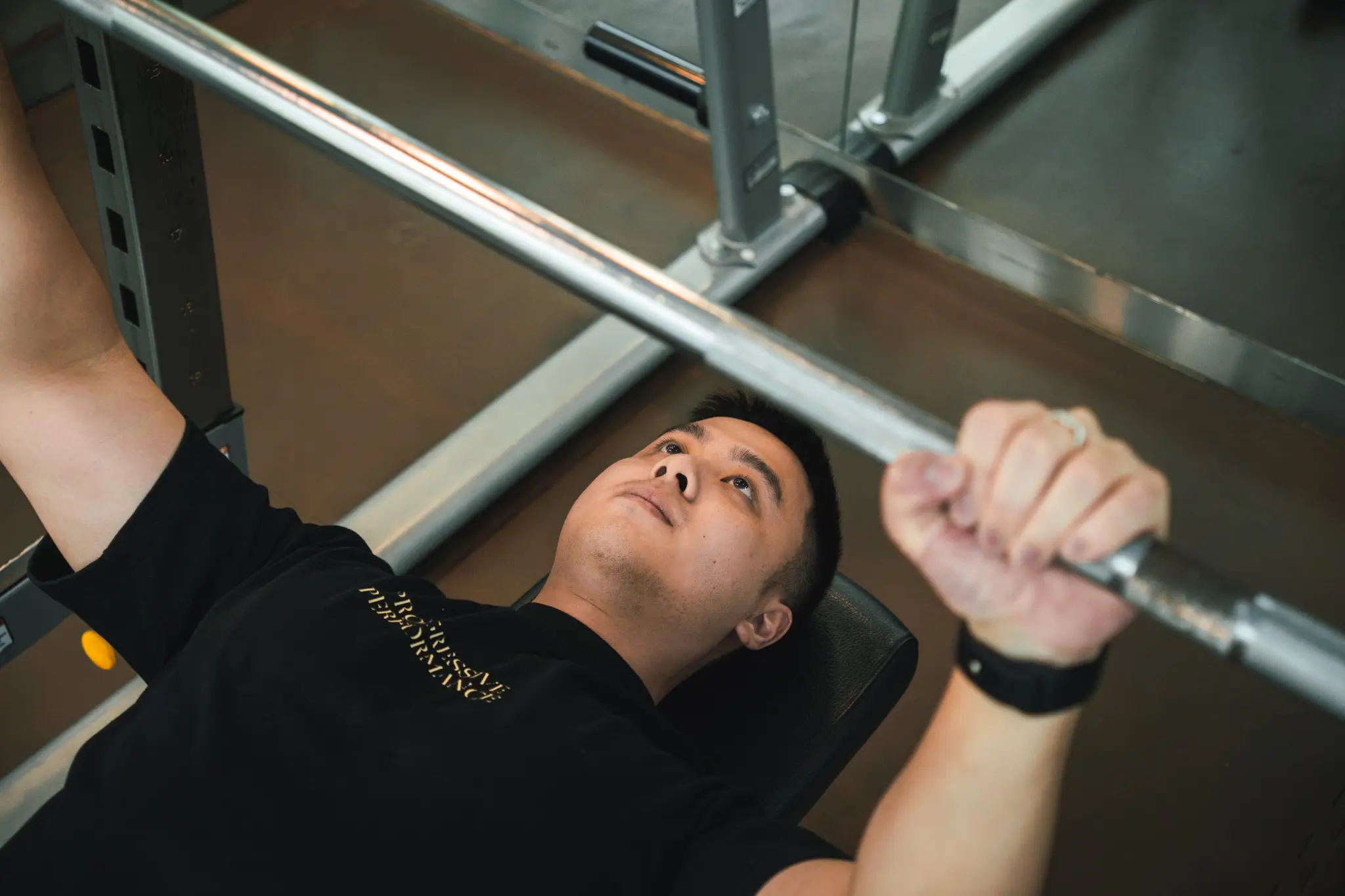
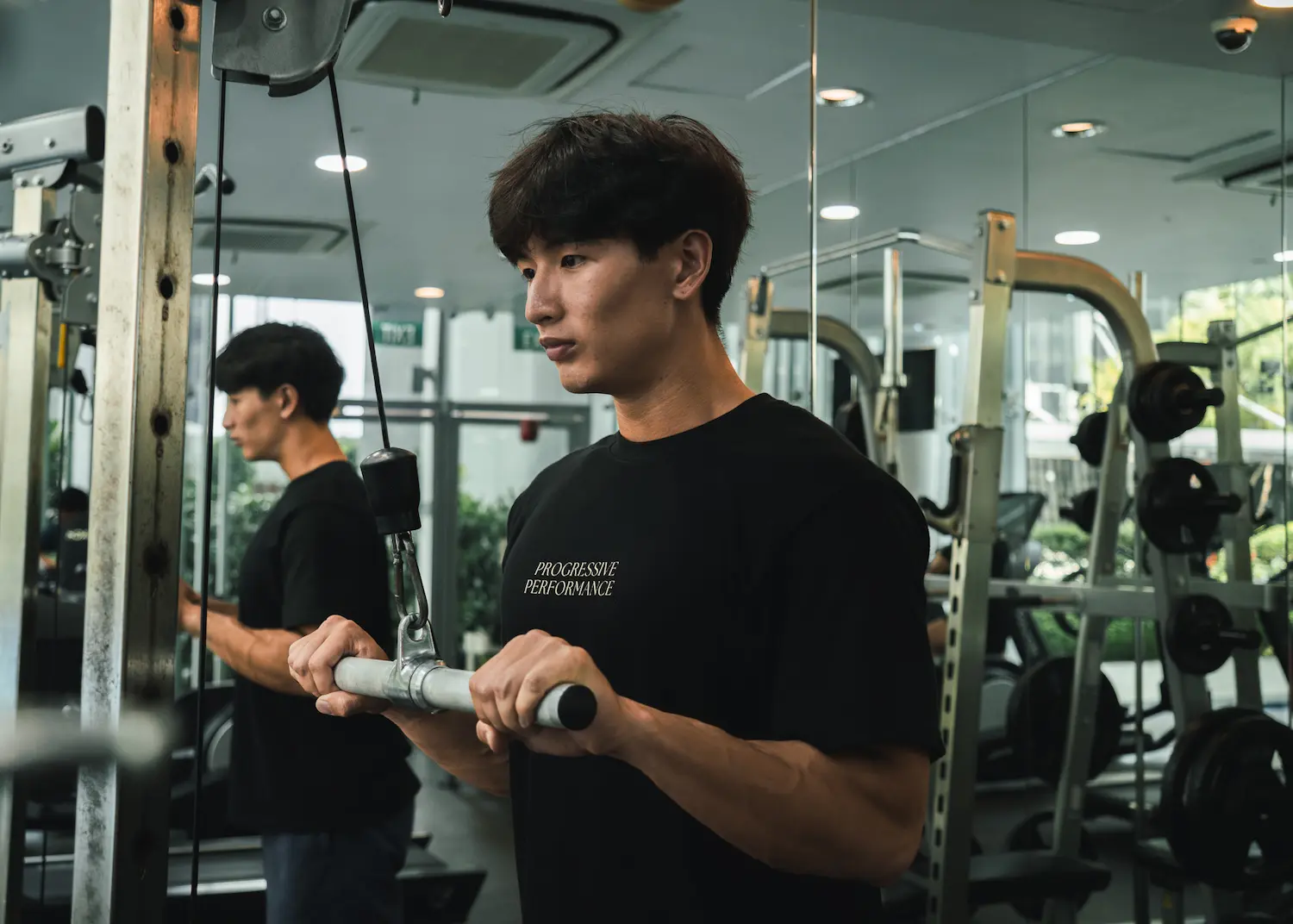

A gym membership can be excellent value for someone who knows what to do and uses the facility on their own terms. Personal training can be valuable for someone whose problem is not access, but deciding what to do, executing it well and keeping the plan coherent.
Either can also be the wrong purchase.
The person who needs flexibility may resent a diary full of coached appointments. The person who needs feedback may spend months repeating familiar workouts because the gym provides equipment but not judgment. Paying more does not fix a mismatch between the service and the problem.
So the personal trainer vs gym Singapore question is not, "Which option is better?" It is, "Which training decisions can I manage well, and where would support genuinely change the experience?"
Quick answer: should you choose a personal trainer or a gym membership?
Choose a gym membership when access is the main thing you need and you can plan, perform, review and sustain your own training.
Consider personal training when the difficult part is deciding where to start, receiving useful feedback, progressing the programme, adapting it when circumstances change or keeping a regular commitment.
A hybrid approach may suit someone who wants independent gym access but also wants selected sessions for coaching and programme review. That is a category choice, not a promise that every provider offers a specific hybrid package.
What are you actually buying?
The two options overlap, but their primary jobs are different.
A gym membership gives you a place to train, equipment and whatever general facilities the membership includes. Most decisions remain yours: what to do, how much to do, when to change it and how to judge whether the plan still fits.
Personal training reserves a coach's attention and time. A structured personal training service in Singapore may include assessment, programme planning, exercise feedback, progress review and accountability, but the exact scope should always be verified before you buy.
This distinction matters because "I need to exercise" does not identify the missing resource. You may need:
- access to equipment;
- a programme you can manage yourself;
- feedback on how you perform the work;
- help adapting the plan;
- a scheduled commitment;
- greater privacy; or
- some combination of these.
The right category is the one that supplies what is missing without charging you for support you neither need nor value.
Personal trainer vs gym membership: compare the decisions, not the slogans
| Decision area | Gym membership | One-to-one personal training | Hybrid approach |
|---|---|---|---|
| Access | Broad access under the facility's actual terms | Training during confirmed coached appointments and any included access | Independent access plus separately agreed coaching |
| Programme | Usually self-managed unless another service is added | Coach-led and adjusted within the service scope | Coach provides direction; client completes some work independently |
| Exercise feedback | Depends on your own knowledge or help you arrange | Direct observation and feedback during coached sessions | Feedback at selected sessions, with more self-management between them |
| Autonomy | High | Shared decisions within a coached process | High between reviews, guided at agreed points |
| Schedule | Flexible within actual opening and access terms | Requires compatible appointment availability | Combines independent flexibility with scheduled coaching |
| Privacy | Depends on the facility and time of day | May offer a more private setting when verified | Depends on where independent and coached sessions occur |
| Accountability | Primarily self-directed | Built around scheduled contact and agreed follow-through | Shared: appointments plus independent responsibility |
| Cost comparison | Membership commitment and actual terms | Coaching scope, package terms and what is included | Both commitments must be understood together |
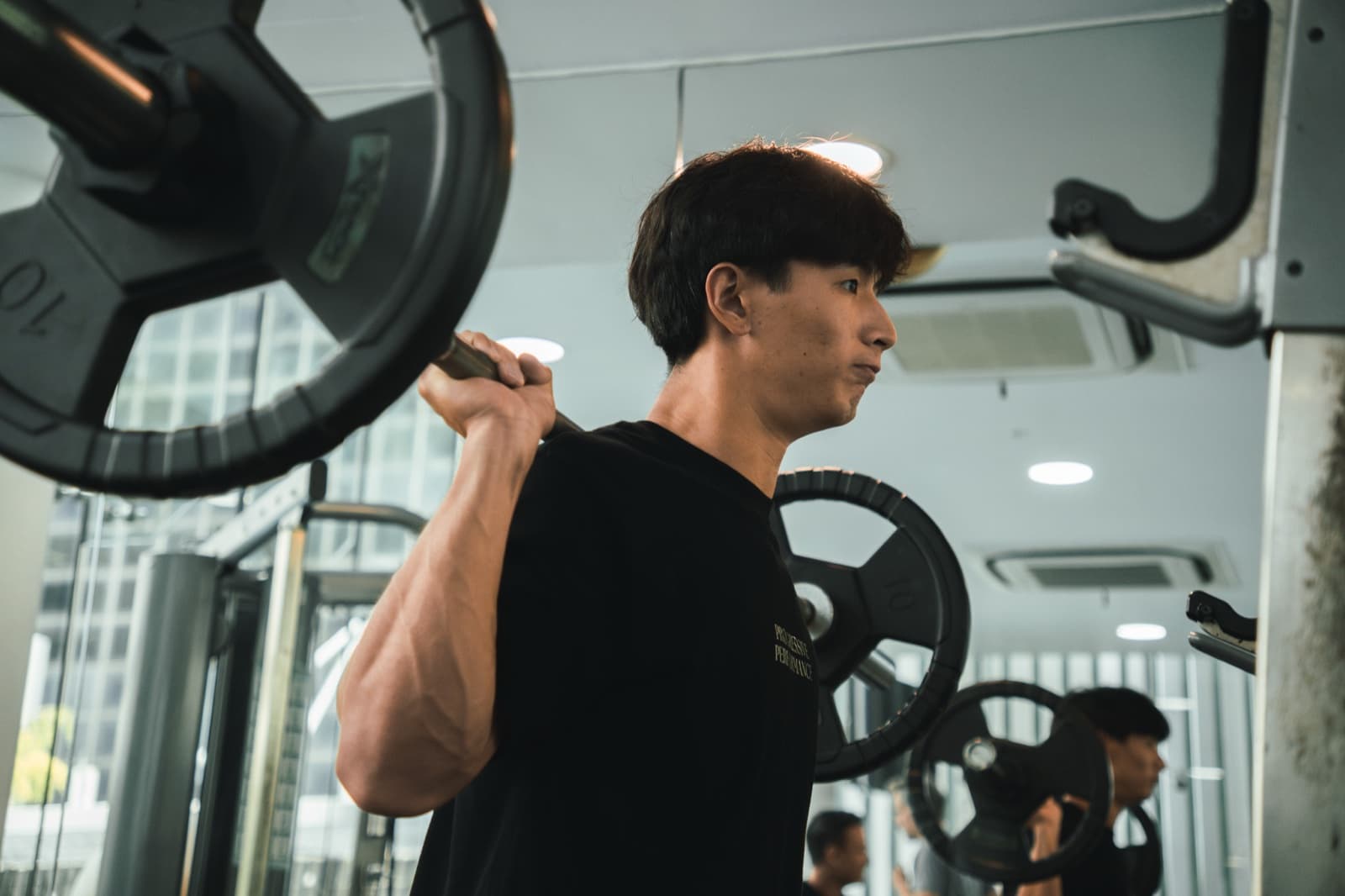
This table is not a scorecard. High autonomy is an advantage for one person and an unwanted burden for another. Scheduled accountability can be helpful or unnecessary. Privacy may be central to the decision or barely relevant.
When a gym membership may be the better fit
A gym-only route deserves a clear and honest case.
It may suit you when:
- you already know how to organise a programme around your goal;
- you can perform the exercises with confidence and recognise when something needs adjustment;
- you review training rather than repeating the same comfortable work indefinitely;
- you attend without needing an appointment to create commitment;
- you value being able to train at different times;
- the facility, location and equipment match what you use; and
- you prefer to make your own training decisions.
You do not need to be advanced. A beginner can choose a gym membership if they have an appropriate plan, understand how to begin and are comfortable seeking qualified help when a question sits outside their knowledge.
Nor does low attendance automatically make a membership "wasted." Value depends on the terms, the person and what they wanted from the facility. The useful question is whether the membership is solving the reason it was bought.
If access has never been the problem, buying access at a different location may not change much. But if the current barrier is inconvenient location, limited equipment or unsuitable operating hours, another membership could be exactly the practical correction required.
When one-to-one personal training may be worth considering
Personal training becomes more relevant when judgment, feedback or structure is the constraint.
That may be the case when:
- you keep collecting programmes but remain unsure which one fits;
- you are returning after a break and do not know where to restart;
- you want direct feedback on exercise setup and execution;
- the programme needs adjustment around changing work or travel demands;
- you struggle to distinguish useful progression from random difficulty;
- you value a scheduled appointment and external accountability; or
- you prefer a more focused or private training environment.
These are not promises of faster progress or guaranteed results. They describe decisions a coach may help manage.
The quality of personal training depends on the actual process and fit. A coach should be able to explain the purpose of the programme, what they observe, how decisions are reviewed and what support is included. If that process is vague, paying for personal training does not automatically make it useful.
When a hybrid approach may make sense
The category choice does not always need to be binary.
Someone may use coached sessions to establish direction, learn exercises or review the programme, then complete additional training independently. An experienced person may value periodic coaching without wanting every session supervised. Another person may prefer more frequent coaching during a return to training, then take on more responsibility later.
The hybrid idea only works when responsibilities are clear:
- Who owns the programme?
- Which sessions are coached and which are independent?
- What should be recorded between reviews?
- When is the programme adjusted?
- What happens when travel or workload interrupts the plan?
- Does the provider actually support the arrangement being discussed?
Do not assume a hybrid package, price or access arrangement exists. Ask the gym and coach what is available, then judge the complete commitment.
How to compare cost without misleading yourself
A monthly membership fee and a personal-training session price are not equivalent products, so placing the two numbers side by side answers very little.
Compare four things instead.
1. The complete commitment
Clarify the contract or package duration, payment schedule, expiry, cancellation and rescheduling terms. Look at the full commitment, not only the smallest number in the sales conversation.
2. What is included
For a gym, verify the facilities, locations, access conditions and any restrictions that matter to you. For personal training, verify assessment, programme planning, coached sessions, reviews, communication and any other stated support. Do not assume features from another provider or package.
3. What you will manage yourself
Self-management is not a hidden cost if you enjoy it and do it well. It becomes relevant when you repeatedly spend time deciding what to do, second-guess the plan or avoid making changes because you lack confidence in the decision.
4. Whether the arrangement fits ordinary weeks
An attractive fee does not make a distant facility convenient. A comprehensive coaching package does not create value if the appointment structure clashes with your calendar. Judge the arrangement against normal work, commute and travel patterns.
Progressive Performance's personal trainer cost guide for Singapore provides the approved service and package context. This article does not publish a general market range or calculate "cost per result," because neither can be made meaningful without consistent definitions and current evidence.
If coaching is the likely category, choose the coach separately
Deciding that personal training may help does not tell you which trainer or service to choose.
That second decision should examine assessment, programme reasoning, exercise feedback, progression, support boundaries, qualifications, communication and package terms. Our guide on how to choose a personal trainer in Singapore covers that provider-level decision without turning the consultation into a sales-script contest.
Progressive Performance's one-to-one personal training page describes its current coached service. Read the actual terms and use a consultation to test fit; do not infer a result, schedule or service feature that has not been confirmed.
Singapore logistics can decide the category
Training is not only the time spent exercising. The real calendar includes travel to the facility, changing, waiting for equipment, the session itself and the transition back to work or home.
For a gym membership, consider:
- distance from home or work;
- actual opening and access terms;
- how the facility feels during the periods you expect to use it;
- whether the equipment you need is normally practical to access; and
- whether multiple locations genuinely reduce friction for your routine.
For personal training, consider:
- confirmed appointment availability;
- the complete door-to-door time;
- whether the location fits a normal workweek;
- the privacy and environment you prefer;
- what happens when work or travel changes; and
- whether the service's communication and rescheduling terms are workable.
Professionals considering a personal trainer in Singapore CBD can review Progressive Performance's current Shenton Way location context, then ask about actual availability. Location can reduce friction, but it cannot guarantee consistency or an outcome.
Five questions to answer before you choose
1. Is access actually the problem?
If you know what to do but lack a suitable place or equipment, a membership may solve the problem directly. If you already have access and remain stuck on decisions, another facility may not address the real constraint.
2. Which training decisions can I make confidently?
Consider programme choice, exercise execution, progression, review and adaptation. You do not need coaching for every decision you can already manage well.
3. What kind of accountability do I respond to?
Some people prefer complete independence. Others are more consistent when an appointment and review exist. Neither is a character judgment; it is a service-fit question.
4. How much flexibility do I genuinely need?
If your week changes hourly, flexible access may matter most. If flexible access repeatedly becomes "whenever I find time," scheduled coaching may create a clearer commitment. Use your actual calendar history, not an ideal week.
5. What would make me change categories later?
Set a review point. A gym member may seek coaching when programme or technique questions accumulate. A coached client may take on more independent training as confidence and judgment develop. The initial category does not need to become a permanent identity.
Practical questions
Frequently asked questions
Is a personal trainer better than a gym membership in Singapore?
Not universally. A gym membership may be the better fit when you need access and can manage your own programme, exercise execution and consistency. Personal training may be more useful when you need coaching judgment, direct feedback, programme management or scheduled accountability.
Is personal training worth the extra cost?
It can be when the included coaching solves a problem you cannot or do not want to manage alone. Compare the complete service, package terms, support and fit with your schedule. Do not assume a higher price guarantees a result.
Can a beginner start with a gym membership instead of a trainer?
Yes. Beginners do not automatically need a personal trainer. They should have an appropriate starting plan, understand how to use the relevant equipment and seek qualified guidance when they are unsure about exercise suitability, pain, injury or a medical condition.
Can I combine personal training with training alone?
Potentially. Some people use coaching for programme direction and feedback while completing other sessions independently. Verify that the coach and facility support the arrangement, what access is included and how independent work will be reviewed.
What should I compare besides the monthly price?
Compare the total commitment, access or appointment terms, programme responsibility, feedback, privacy, accountability, location, cancellation or rescheduling terms and what support is included.
When should I choose a private personal-training studio?
Consider a private studio when focused coaching, direct feedback, scheduled appointments and a more private environment matter to you. Confirm the actual service, location, availability and terms rather than assuming private training is automatically the right category.
Choose the missing resource, not the louder sales pitch
A gym membership is not an incomplete version of personal training. Personal training is not an upgraded gym membership. They solve different combinations of access, decision-making, feedback and commitment.
Be honest about which parts of training you can manage and which parts repeatedly break down. Then choose the smallest level of support that addresses the real problem.
If coaching appears to be the missing resource, book a private consultation with Progressive Performance Singapore. Share your goal, current training experience, normal schedule and what you want help deciding. The conversation should establish fit and service scope, not promise a result.