
If you work in the Singapore CBD, the problem is rarely knowing that exercise matters. The harder problem is making training happen when your day is shaped by meetings, client calls, travel, deadlines, meals at odd hours, and decision fatigue.
That is where personal training in Singapore CBDcan be useful. Not because a coach creates more hours in your week, and not because any programme can guarantee a result. The value is more practical: removing guesswork, protecting the time you do have, training with better structure, and keeping the next step clear.
Quick answer
When does personal training make sense?
It is most useful when the real problem is not gym access, but consistency, structure, coaching feedback, and a plan that can survive heavy work weeks. A membership may be enough if you already train safely and consistently on your own.
Why busy CBD professionals struggle to train consistently
Professionals around Shenton Way, Tanjong Pagar, Raffles Place, and Marina Bay do not usually struggle because they are lazy. They struggle because an unstructured plan depends on too many things going perfectly.
- You need to know what to do and how to progress it.
- You need enough energy to make useful decisions.
- You need to know when to push and when to adjust.
- You need the plan to survive travel, stress, and late work.
A normal gym membership gives you access. It does not automatically give you a plan, technical feedback, accountability, or a way to adapt the work when the week changes. The useful question is not only, “Can I train?” It is, “Can I train consistently enough for this to become part of my life?”
Why location matters when your calendar is full
Convenience is not a minor detail for CBD professionals. A training location that fits an existing workday can reduce the number of decisions between finishing work and starting a session.
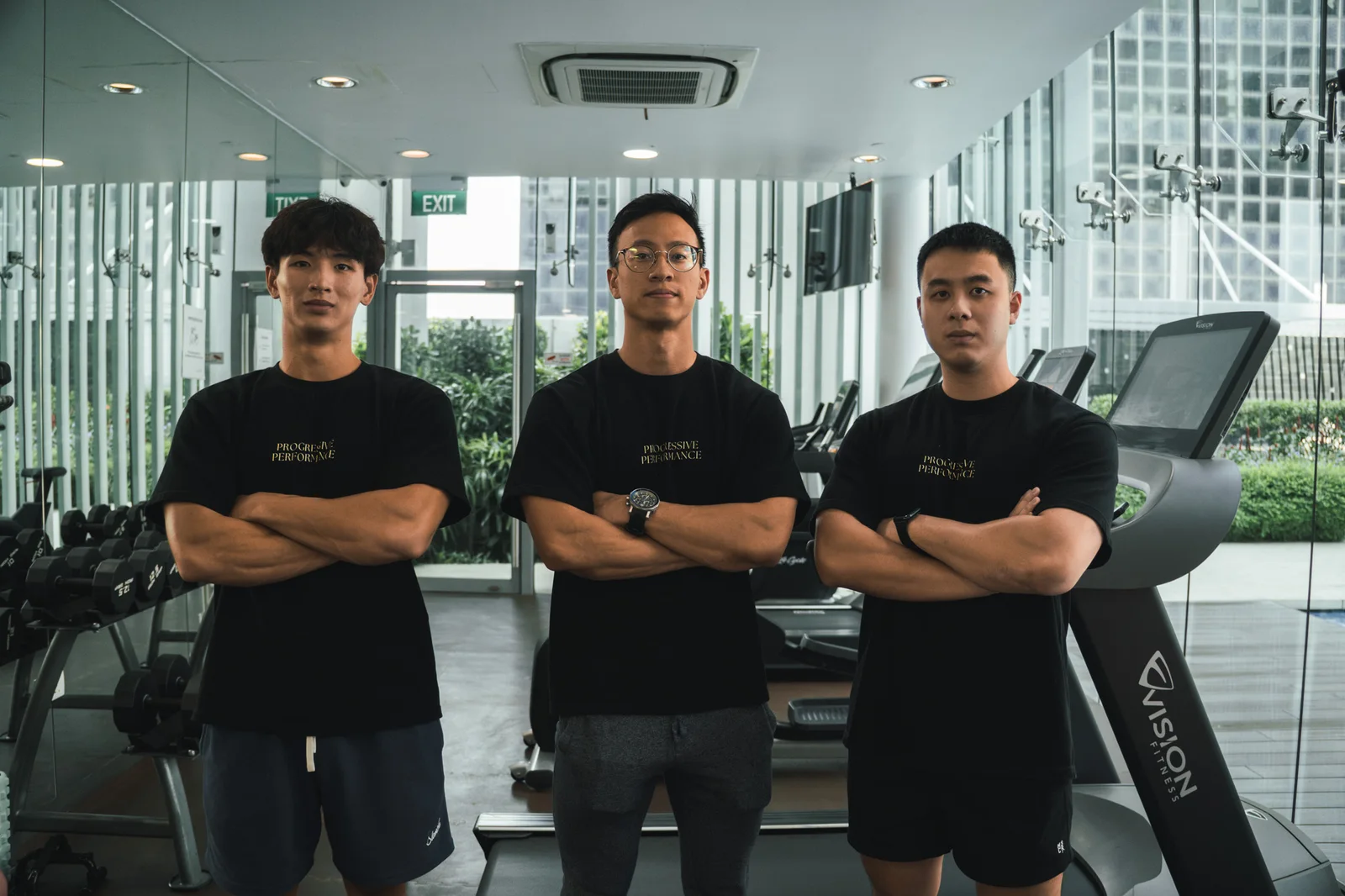
Progressive Performance Singapore is based at 78 Shenton Way, Tower 2, #06-15/16/17, Singapore 079120. For someone seeking a personal trainer in Singapore CBD, the practical value is the option to place training around an existing routine instead of treating it as a separate trip across the island.
You can compare the broader approach to private personal training in Singapore and the location-specific guidance for a Shenton Way personal trainer before deciding whether the service fits your schedule.
“Would I still attend this session on a difficult workday?”If the honest answer is no, the plan may already be too fragile.
What private personal training solves that gym access does not
Gym access can be enough for people who already know how to train, can self-correct technique, understand progression, and keep showing up without outside support. For many busy professionals, the missing piece is not access. It is structure.
Assessment
Clarify your starting point, priorities, and constraints before programming.
Programme design
Choose exercises, volume, intensity, and progression for the person in front of the coach.
Technique feedback
Use each session to improve how you train, not simply to complete a list of exercises.
Adjustment
Adapt when travel, stress, sleep, or workload changes what the week can support.
This can support goals involving strength, body recomposition, fat loss, or rebuilding consistency after a long break. None of those outcomes should be promised on a fixed timeline. They depend on the individual, training consistency, nutrition, recovery, and starting point.
What to look for in a personal trainer if you work long hours
The right coach for a busy professional is not simply someone who can make a workout hard. The coach needs to make the overall training process sustainable under pressure.
A clear assessment before programming
Your coach should understand your goals, training history, relevant injury or movement constraints, schedule, and current lifestyle before choosing the plan. This is how realistic decisions get made.
Strength training that progresses
A good programme should not feel like a random circuit every session. There should be a reason for the exercise selection and a way to progress it over time.
Practical nutrition guidance
Useful guidance must survive work lunches, travel, client dinners, and imperfect routines. Be cautious of anyone promising easy outcomes without first understanding your actual week.
Schedule fit without false promises
Before-work, lunch, and after-work sessions can all make sense, subject to current coach and session availability. The best slot is the one you can still keep when work becomes demanding.
Progress review
You should know what is being tracked and why. The aim is not to obsess over data, but to avoid drifting and to make better decisions about the next training block.
When personal training may not be necessary
Personal training is not automatically the right choice. If you already train consistently, understand your programme, progress safely, manage nutrition well enough for your goals, and do not need external accountability, a normal membership may be enough.
Private coaching becomes more relevant when:
- You keep restarting but cannot sustain momentum.
- You are unsure what to do or how to progress safely.
- You need accountability around a demanding schedule.
- You want coaching feedback, not only access to equipment.
- You prefer a more private training environment.
- You need the plan adjusted when work, travel, or recovery changes.
The point is not to buy coaching for its own sake. It is to choose the level of support that matches the problem you are trying to solve.
What to send before you enquire
A specific enquiry helps the team assess fit and current availability without asking you to arrive with a perfect plan. Include:
- Your main goal and current training level.
- Any injury, medical, or movement constraints relevant to exercise.
- Your preferred location and usual work schedule.
- Your likely morning, lunch, evening, or weekday training windows.
- Whether you are considering one-to-one or buddy coaching.
- Any event or deadline you are working around.
Frequently asked questions
Questions busy professionals ask before starting
Can personal training fit before work, lunch, or after work in the CBD?
It can, depending on coach and session availability. A CBD location can make training easier to place around the workday for people based near Shenton Way, Tanjong Pagar, Raffles Place, or Marina Bay. Confirm current availability during your enquiry.
How many sessions does a busy professional usually need?
There is no universal answer. Frequency depends on your goal, starting point, training history, schedule, and how much support you need outside coached sessions. A consultation is the right place to discuss a suitable structure.
Is a premium personal trainer worth it if my schedule is demanding?
It may be worth considering when the problem is not gym access but a lack of structure, progression, feedback, and accountability. The value sits in the coaching process, not simply the hour spent in the gym.
Can personal training support body recomposition or fat loss?
Personal training can support these goals through structured strength training, practical nutrition guidance, accountability, and progress review. It should not be presented as a guaranteed result or fixed timeline; outcomes depend on the individual and require consistency.
When is a normal gym membership enough?
A gym membership may be enough if you already know how to train, can progress safely, stay consistent, and do not need coaching accountability. Personal training is more useful when you need a plan, feedback, and help keeping training aligned with your goals.
What should I send before booking a consultation?
Send your main goal, current training level, any injury or movement constraints, preferred location, usual work schedule, likely training windows, and whether you are considering one-to-one or buddy coaching.